


Sustainable Hydration for a Healthier Planet
Water is essential for life, but how we consume it can have a significant impact on the environment. As awareness of environmental issues grows, many people are seeking ways to stay hydrated while reducing their ecological footprint. This blog post explores the concept of eco-friendly hydration and offers practical tips to help you make choices that benefit both your health and the planet.
Understanding Eco-Friendly Hydration
Eco-friendly hydration means choosing water sources and drinking habits that minimize harm to the environment. This involves considering the entire lifecycle of the water you drink - from extraction and packaging to transportation and disposal.
Plastic bottles, for example, are a major contributor to pollution. Millions of single-use plastic bottles end up in landfills and oceans every year, harming wildlife and ecosystems. Switching to reusable bottles made from stainless steel or glass can drastically reduce plastic waste.
Another aspect of eco-friendly hydration is conserving water. The production of bottled water requires large amounts of water and energy. By drinking tap water where safe and using water-efficient appliances, you can help conserve this precious resource.
Practical Tips for Eco-Friendly Hydration
Use a reusable water bottle and carry it with you.
Install a water filter at home to improve tap water taste and safety.
Avoid bottled water when possible, especially single-use plastic bottles.
Support brands that use sustainable packaging materials.
Drink water from local sources to reduce transportation emissions.

Benefits of Eco-Friendly Hydration for Health and Environment
Choosing eco-friendly hydration methods benefits both your health and the environment. Drinking clean, filtered water supports bodily functions, improves skin health, and boosts energy levels. At the same time, reducing plastic waste and conserving water helps protect ecosystems and reduces greenhouse gas emissions.
Many reusable bottles are designed to keep water cold or hot for hours, encouraging you to drink more water throughout the day. This can improve hydration habits and overall wellness.
Environmentally, reducing reliance on bottled water decreases plastic pollution and lowers carbon footprints. Water conservation efforts help maintain freshwater supplies, which are under increasing stress due to climate change and population growth.
How to Make Eco-Friendly Hydration a Habit
Set reminders to drink water regularly.
Choose stylish reusable bottles that you enjoy using.
Educate friends and family about the benefits of sustainable hydration.
Participate in local clean-up events to reduce plastic pollution.
Advocate for policies that promote water conservation and sustainable packaging.

Is Liquid IV Sustainable?
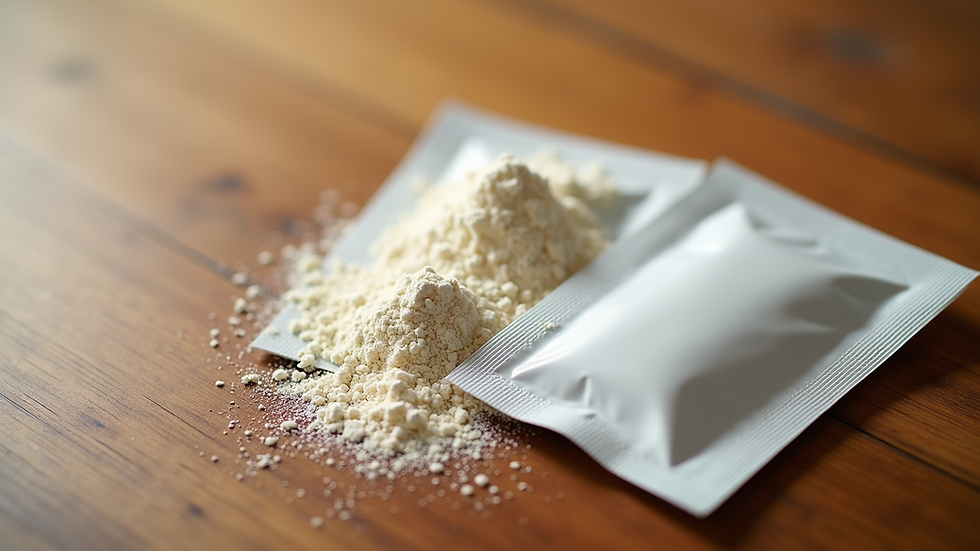
Liquid IV is a popular hydration multiplier that claims to enhance water absorption through electrolyte powders. But is it sustainable?
The sustainability of Liquid IV depends on several factors:
Packaging: The individual sachets are made of plastic, which may not be recyclable in all areas.
Ingredients: The powders contain vitamins and minerals sourced globally, which involves transportation emissions.
Production: Manufacturing processes consume energy and resources.
While Liquid IV can improve hydration efficiency, its environmental impact is higher than simply drinking filtered tap water or using reusable bottles. If you choose to use it, consider minimizing waste by recycling packaging where possible and balancing its use with other eco-friendly hydration practices.
For those seeking sustainable hydration options, focusing on reducing single-use plastics and conserving water remains the best approach.
How Businesses Can Promote Sustainable Hydration
Businesses play a crucial role in encouraging sustainable hydration. They can:
Provide refill stations to reduce bottled water sales.
Use eco-friendly packaging for beverages.
Educate employees and customers about water conservation.
Partner with organizations focused on sustainability.
Implement water-saving technologies in facilities.
By adopting these practices, companies not only reduce their environmental impact but also appeal to eco-conscious consumers.
Taking Action for a Healthier Planet
Every small step counts when it comes to sustainable hydration. By making mindful choices about how you drink water, you contribute to a healthier planet. Whether it’s switching to a reusable bottle, filtering tap water, or supporting sustainable brands, your actions can inspire others and create positive change.
Explore more about sustainable hydration and discover ways to stay hydrated responsibly. Together, we can protect our water resources and ensure clean, safe hydration for generations to come.


Comments